Outplacement in energy and utilities
The energy transition does not question the sector's future but its structures: why utilities are rebuilding rather than shrinking — and how specialists and executives reposition their market value in the emerging energy system.
The change in figures
- 210 GW
- installed renewable generation capacity (2025)
- +21 GW
- renewable capacity added in 2025 (≈ +11%)
- ≈2.000 km
- newly approved power lines (2025)
- +45 %
- more grid approvals than the prior year
Sources: VDA, German passenger-car production statistics (2026).
The energy transition, grid expansion, digitalisation, new business models and the rebuilding of energy supply are fundamentally changing the sector. New employment opportunities are emerging in some areas, while classic business models, structures and functions come under pressure.
The energy sector is undergoing a particular structural change. Unlike, say, mechanical engineering, it is not primarily about whether the sector has a future. The future of the energy sector is beyond doubt. But its structures are changing fundamentally. That makes energy and utilities especially interesting from a career perspective.
The energy sector is being reorganised
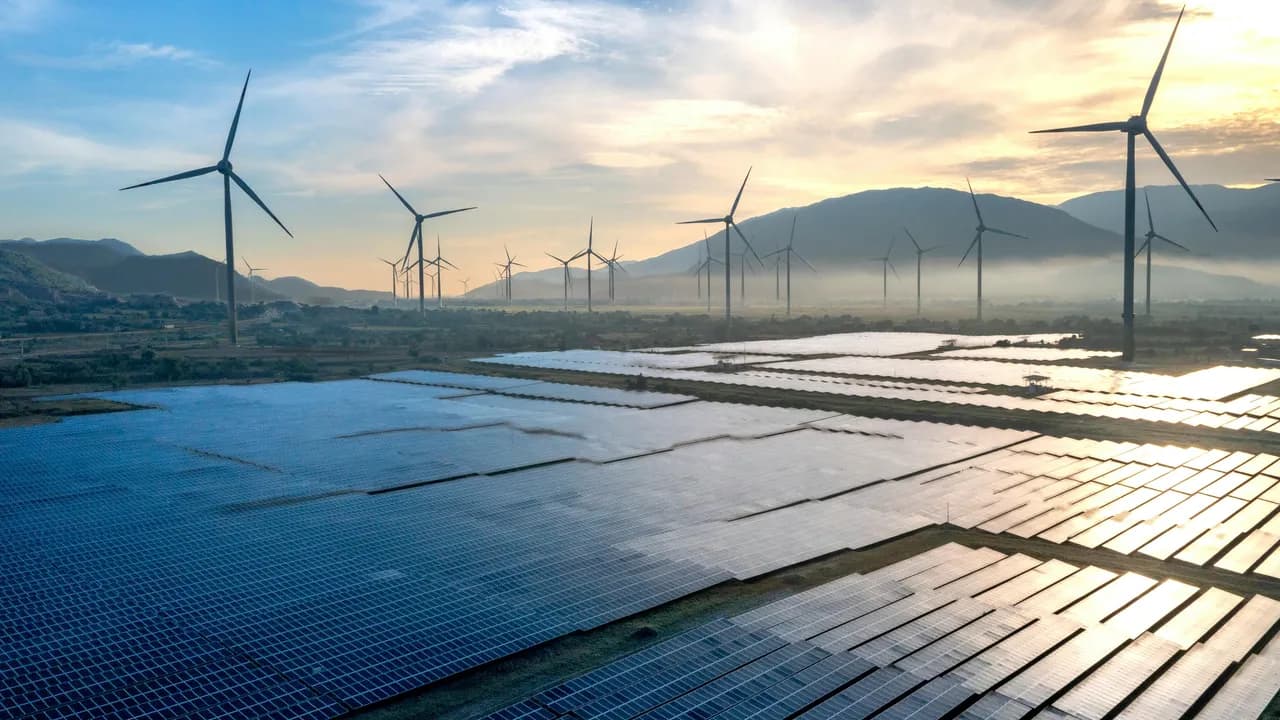
Germany's energy system is developing from a comparatively central structure towards an increasingly decentralised, digitalised and electrified system. In 2025 alone, installed renewable generation capacity rose by almost 21 gigawatts to around 210 gigawatts (about +11%). In parallel, grid expansion is accelerating: in 2025 the Federal Network Agency approved around 2,000 kilometres of new power lines — roughly 45% more than the prior year — and sees further substantial expansion needs.
The traditional model — generate or buy energy → transport → sell — becomes far more complex: generation + grids + storage + flexibility + data + customer solutions + digital control. New business fields emerge: renewables, battery storage, charging infrastructure, heating solutions, energy management, smart metering, flexibility marketing, hydrogen and decentralised supply.
Job cuts or employment growth?
Both are possible. New business fields create additional staffing needs, while classic structures are made more efficient, automated or reorganised. Even within one company, therefore: new positions arise — and existing ones disappear. The energy sector is a good example that structural change is not the same as uniform job cuts; rather, tasks, competencies and responsibilities shift.
Your market value is greater than your job title
A "Head of Grid Operations" describes only part of their actual value. Behind it can lie infrastructure management, security of supply, investment planning, project control, regulation, crisis management, leadership of technical organisations, transformation and stakeholder management — relevant also in infrastructure, industry, engineering, transport, telecommunications, plant engineering and renewables.
The question is not "Who is looking for a head of grid operations?" but "Which companies need a leader who can steer and transform complex critical infrastructure?"
Which competencies become more important
- Digitalisation and data — smart meters, intelligent grids and data-based control make IT competence ever more important.
- Energy transition and sustainability — renewables, decarbonisation and energy efficiency become core elements of the business.
- Grid infrastructure — rebuilding the power system requires enormous investment in transmission and distribution grids.
- Storage and flexibility — with a growing share of volatile generation, storage and flexible capacity gain importance.
- Regulation — those who combine regulation with commercial steering hold a special profile.
- Change management — transformation becomes permanent; leaders must ensure stability while organising change.
Which target markets come into question
Many competencies from the energy sector transfer to other future markets:
| Experience from energy & utilities | Conceivable target markets |
|---|---|
| Grid management | telecommunications, transport, infrastructure |
| Project development | real estate, infrastructure, renewables |
| Energy technology | industry, plant engineering, building technology |
| Asset management | infrastructure, real estate, industry |
| Digitalisation | industrial tech, smart infrastructure |
| Regulation | infrastructure, transport, finance |
| Energy-solutions sales | B2B technology, industry, building technology |
| Renewables | energy tech, plant engineering, project development |
| Operations | industry, infrastructure, technical services |
| Transformation | cross-industry |
Changing industry is not mandatory, though: new fields arise within the sector too — from utility to grid operator, from classic generation to renewables, from energy sales to energy services, from grid operations to smart grid. The question is: where is my competency profile most valuable in the emerging energy system?
A different logic applies to executives
A "Head of Energy Sales" often brings B2B sales, transformation, pricing, customer strategy, digitalisation, product development, leadership and change management — transferable as a leader for transforming complex B2B business models. For top managers the sector matters even less: instead of "I come from the energy industry", the stronger message is "I have led complex infrastructure organisations through regulatory, technological and economic change" — transformation experience is valuable across industries.
What affected professionals should do after job cuts
- Analyse your competency base. Which professional, commercial and leadership competencies do you have?
- Formulate results, not tasks. Not "responsible for grid expansion", but "steered the grid-expansion investment programme and delivered several complex infrastructure projects".
- Identify transferable competencies. Which skills are relevant beyond your previous utility?
- Widen the target market. Also consider infrastructure companies, technology providers, plant builders and other regulated industries.
- Reposition your profile. Why should a company deploy you specifically for its current challenge?
- Choose the right market access. Networking, referrals, executive search and direct approaches — the core of our KARENT PLACEMENT approach.
What professional outplacement consulting can achieve
In the energy sector, the previous function is often strongly tied to a business model, regulatory framework or technical environment. Professional outplacement makes the underlying value visible and transfers it to new target markets: assessment, career and target-market analysis, repositioning, executive positioning, network strategy, and application and interview strategy.
The energy sector is not shrinking — it is rebuilding
The sector faces enormous investment and transformation tasks; the expansion of renewables, grids, storage and digital infrastructure creates new tasks and business models. At the same time, traditional structures can come under pressure. The sector is investing in its future — and in doing so is changing today's jobs, functions and competency profiles.
Job cuts need not be the end of a successful career. They can be the occasion to look at your market value anew and open up new target markets.
Frequently asked questions
- Does the energy transition mean job cuts or employment growth?
- Both at once. New business fields (renewables, storage, charging infrastructure, hydrogen, energy services) create demand, while classic structures are automated, centralised or reorganised. Within the same company, new positions can arise and existing ones disappear — tasks and competencies shift.
- Do I have to leave the energy sector for my next career step?
- No. New fields arise within the sector too — from utility to grid operator, from classic generation to renewables, from grid operations to smart grid. Competencies from grid management, asset management, regulation or digitalisation are also in demand in infrastructure, transport, telecommunications and industry. The question is where your profile is most valuable in the emerging energy system.
- Which competencies are becoming more important in the energy industry now?
- Above all digitalisation and data, energy-transition and sustainability competence, grid infrastructure, storage and flexibility, regulation and change management. Especially valuable is the combination of technical understanding, regulation and complex stakeholder management.
- What does outplacement do for energy-sector specialists and executives?
- It makes visible the professional value often tied to a business model, regulatory framework or technical environment, and transfers it to new target markets: assessment, target-market analysis, repositioning, executive positioning, and network and interview strategy. Transformation experience is valuable across industries.